
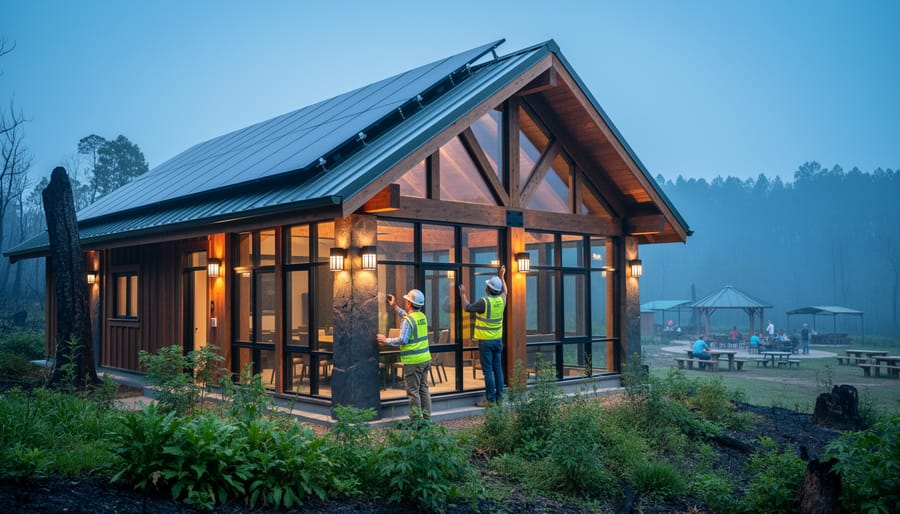
Recovering from a fire at your sustainable tourism property requires immediate action across three critical fronts: documenting every asset and sustainability feature, coordinating with specialized insurers who understand green building systems, and engaging your community to preserve the trust you’ve built. For many eco-lodge and green resort owners facing this crisis, some decide to sell a fire damaged house rather than navigate complex reconstruction, particularly when insurance disputes drag on or sustainability certifications complicate standard claims processes.
The process typically spans six to twelve months from first report to full settlement, with your ability to demonstrate pre-fire value and sustainable investments directly impacting your payout and rebuild options.
Yet those who commit to recovery often emerge stronger. When Wildflower EcoRetreat in British Columbia rebuilt after a 2024 fire, they used the claim process to upgrade to net-zero systems and deepen relationships with local First Nations communities who supported them through crisis. Their insurance payout covered not just structural loss but also business interruption and reputation recovery, yielding a property 40 percent more efficient than the original.
The key difference lies in preparation and process knowledge. Standard homeowner policies rarely account for the premium materials, specialized labor, and certification costs inherent in sustainable vs regenerative tourism properties. Understanding how to document green infrastructure, protect guest data privacy during crisis, and maintain stakeholder communication transforms a devastating loss into an opportunity for resilient redesign.
Understanding Fire Recovery Insurance for Sustainable Properties
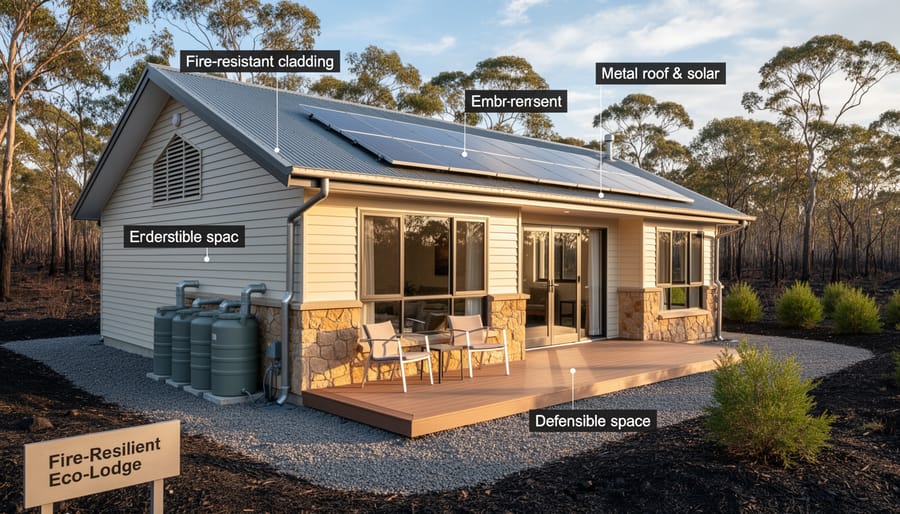
Fire recovery insurance for sustainable tourism properties differs fundamentally from standard commercial coverage because your green investments represent both higher replacement costs and unique valuation challenges. While conventional property insurance focuses on basic structure and fixtures, sustainable properties require coverage that accounts for specialized eco-materials like reclaimed wood, rammed earth walls, or cork flooring, often two to three times more expensive than standard alternatives. Your renewable energy infrastructure, from solar panel arrays to geothermal heating systems, needs explicit coverage amounts that reflect current replacement costs, not just the depreciated value of aging equipment.
The complexity extends beyond physical structures. Eco-certifications like LEED, Green Key, or EarthCheck represent substantial investments in audits, upgrades, and ongoing compliance, costs that standard policies rarely acknowledge. After a fire, you’ll need coverage for re-certification processes, which can run $15,000 to $50,000 depending on your property’s scale and certification level. Similarly, organic gardens, native plant landscaping, water reclamation systems, and composting infrastructure all require specific coverage considerations that adjusters unfamiliar with sustainable operations may overlook or undervalue.
Business interruption coverage takes on added dimensions for sustainable properties. Beyond lost revenue, you’re protecting community employment relationships, local supplier partnerships, and the broader economic ecosystem your operation supports. Your policy should account for the extended timeline green rebuilding requires, sustainable materials often have longer lead times, and specialized contractors may be harder to source. Additionally, consider coverage for guest relocation to properties meeting similar sustainability standards, maintaining your brand promise even during recovery. Effective energy management systems and their associated monitoring equipment also need adequate protection, as these sophisticated controls are both expensive to replace and critical to your operational efficiency.
Essential Documentation and Materials You’ll Need
Gathering the right documentation before disaster strikes dramatically improves your chances of a fair settlement. Sustainable tourism properties contain specialized systems and materials that standard insurance adjusters rarely encounter, so you’ll need evidence that proves their value and replacement cost.
Start building your pre-fire documentation library now. Photograph every sustainable feature in your property: solar panel arrays, greywater systems, living walls, reclaimed wood installations, and geothermal equipment. Include close-ups showing brand names, model numbers, and installation dates. Document your eco-certifications with copies of LEED plaques, Green Key certificates, Rainforest Alliance approvals, and any local sustainability awards. Keep supplier invoices for all green building materials, showing what you paid for bamboo flooring, recycled glass countertops, or non-toxic insulation.
Your community impact documentation matters too. Maintain records of local employment numbers, farm-to-table supplier contracts, artisan partnerships, and educational programs you run. These demonstrate business interruption losses that extend beyond your walls.
- Complete photographic inventory of all sustainable features and systems with date stamps
- Original purchase invoices and installation contracts for renewable energy equipment, water conservation systems, and eco-materials
- Current eco-certification documents (LEED, Green Key, B Corp, carbon neutral certifications)
- Property appraisals that itemize green upgrades separately from standard features
- Community partnership agreements and local supplier contracts showing economic impact
- Staff training records for sustainability programs and specialized eco-system maintenance
- Monthly utility bills demonstrating energy and water efficiency performance
- Guest feedback and occupancy data linked to your sustainability commitments
After a fire, immediately hire a photographer to document all damage before cleanup begins. Collect samples of burned materials if safe to do so. Contact specialized appraisers who understand green building systems, your standard adjuster likely won’t know how to value a composting system or rainwater harvesting setup. Request written estimates from green building contractors for replacement, not general contractors who’ll default to conventional materials.
Critical Safety and Policy Warnings
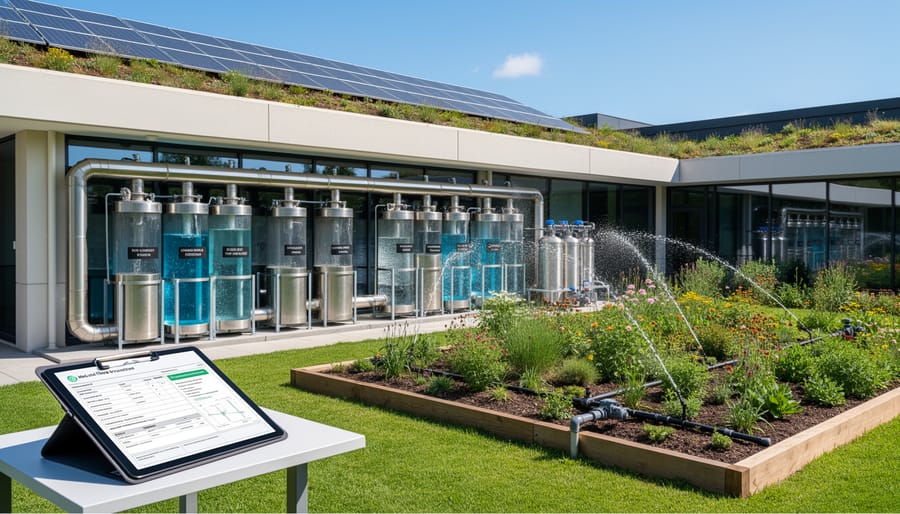
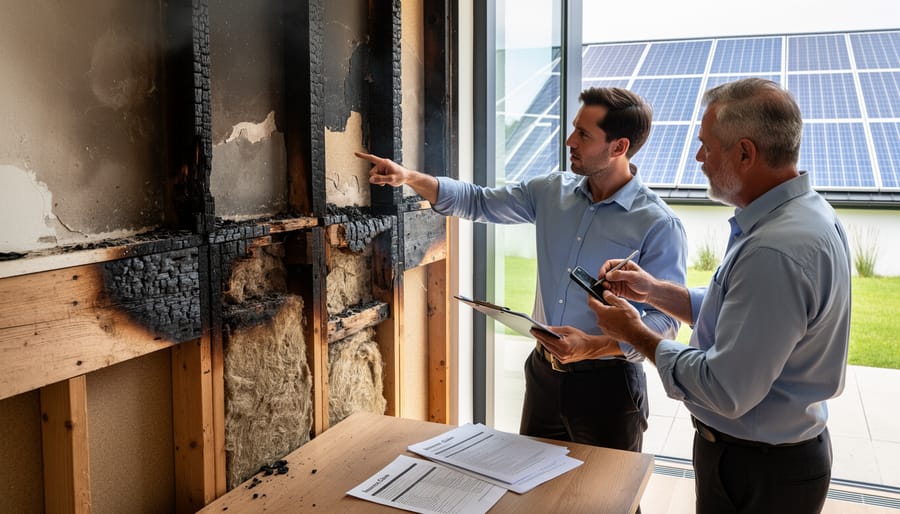
Never enter a fire-damaged building until structural engineers and environmental safety specialists have cleared it. Sustainable tourism properties face unique contamination risks: burned bamboo, recycled insulation, natural fiber textiles, and bio-based materials can release toxic compounds during combustion that persist in ash and debris. If your property included solar panels, lithium battery storage, or geothermal systems, damaged renewable energy infrastructure poses electrical and chemical hazards that require specialized handling, document these from outside the structure until professionals assess them.
Review your policy immediately for co-insurance clauses, which penalize you if your coverage falls below 80-90% of your property’s actual replacement value. Because sustainable features cost more than conventional alternatives, many tourism operators discover too late they’ve insured at standard construction rates while their bamboo flooring, triple-pane windows, and rainwater harvesting infrastructure carry premium price tags. The gap between actual cash value (depreciated worth) and replacement cost coverage becomes critical: ACV policies pay only what your five-year-old solar panels were worth at the time of loss, not what it costs to install new ones meeting current codes.
Common exclusions that devastate sustainable properties include damage to landscaping (native plant gardens, permaculture food systems), outdoor structures (composting facilities, eco-education pavilions), and mechanical breakdowns in geothermal or water management systems that fail due to fire suppression efforts rather than flames. Verify whether your policy covers the cost of re-certifying LEED, Green Key, or Biosphere status after rebuilding, as these recertification expenses can reach tens of thousands of dollars yet rarely appear in standard coverage.
Step-by-Step Fire Recovery Insurance Process
Immediate Response (First 48 Hours)
The first 48 hours after a fire determine how smoothly your entire recovery unfolds. Contact your insurance carrier immediately, even if it’s 3 a.m. Most insurers have 24-hour claim lines, and prompt notification prevents disputes about delayed reporting. Request a claim number and the name of your assigned adjuster.
Secure your property to prevent further damage. Board broken windows, cover roof openings with tarps, and restrict access to prevent theft. Your policy typically covers reasonable emergency repairs, so keep all receipts. Don’t begin cleanup yet, premature removal of debris can undermine your claim.
Start documenting everything. Take photos and videos of all damage before touching anything. Capture your solar arrays, greywater systems, composting facilities, and any damaged sustainable features from multiple angles.
Notify your staff immediately about the situation and expected timeline. Contact guests with bookings to arrange alternatives, your reputation depends on handling this compassionately. Reach out to community partners who depend on your business for employment or collaboration. Many sustainable properties report that maintaining these relationships during crisis strengthened their eventual recovery and demonstrated their commitment beyond profit.
Assessment and Documentation Phase
During the assessment phase, your primary goal is to build a comprehensive claim file that captures the true value of your sustainable investments, not just the visible damage.
Schedule your insurer’s adjuster visit within 48-72 hours, but don’t rely solely on their assessment. Standard adjusters rarely understand the replacement costs of solar thermal systems, living walls, or biodigesters. Hire a specialized appraiser experienced in green building valuations. These experts document the premium costs of FSC-certified timber, VOC-free finishes, and energy recovery ventilation systems that standard replacement cost estimates miss entirely.
Create detailed photographic and video records of every damaged sustainable feature. Capture serial numbers on solar panels, specifications of greywater systems, and destroyed permaculture landscaping. Include “before” images from your marketing materials showing these features in operation.
For business interruption claims, quantify the ripple effects through your community. Document not just your lost revenue but employee wages, local supplier contracts, and community program funding that stopped when you closed. Compile employment records, purchase orders from nearby organic farms, and partnership agreements with local artisan cooperatives.
Assemble original purchase invoices, installation contracts, and certification documentation for every green feature. If destroyed, request duplicate records from suppliers and contractors. This paper trail proves both the initial investment and the specialized replacement requirements that justify higher claim values.
Claim Negotiation and Settlement
When your adjuster’s initial settlement offer arrives, don’t accept it at face value, especially if it undervalues your sustainable features. Insurance companies often calculate depreciated values for eco-systems like solar arrays or greywater recycling, but your policy may entitle you to replacement cost coverage. Challenge lowball estimates by providing detailed invoices showing what you originally paid and current market prices for equivalent green materials.
Hire a green building consultant early in negotiations. They can prepare technical reports documenting why eco-friendly alternatives cost more than conventional materials and explaining the performance specifications your property requires to maintain its sustainability standards. This expert testimony carries weight when adjusters question premium pricing for bamboo flooring, reclaimed timber, or non-toxic insulation.
If disputes arise over eco-material costs, request a mediated settlement conference before considering litigation. Present comparison quotes from certified green suppliers and highlight contractual obligations to maintain environmental certifications. Many policies include coverage for re-certification expenses (LEED reassessment fees, Green Key audits), but you’ll need to explicitly itemize these costs in your claim rather than assume they’re covered under general repairs.
Document every conversation with your insurer, keep copies of all submissions, and don’t rush to settle. Properties that rebuilt sustainably after fires typically negotiated 15-30% higher settlements than initial offers by persisting through multiple rounds of documentation.
Deciding Between Rebuilding and Selling
After securing your insurance settlement, you face a pivotal choice: rebuild your sustainable tourism property or sell and move forward differently. This decision demands honest assessment across four dimensions.
First, evaluate the financial reality. Compare your settlement amount against current green rebuilding costs, which typically run 15-30% higher than conventional construction. If your payout falls short and additional capital isn’t available, selling may be more viable. However, factor in how fire damage affects sale price, expect buyers to discount 20-40% even with insurance proceeds in hand.
Second, consider market conditions. Research buyer demand for sustainable tourism properties in your region and assess competition. A strong market for eco-lodges can offset fire-related price reductions.
Third, measure community impact. Your property likely supports local employment, suppliers, and conservation initiatives. Survey staff and community partners about their priorities, many sustainable tourism businesses discover stakeholders willing to support rebuilding through extended partnerships or patient capital.
Finally, revisit your sustainability mission. Does rebuilding offer opportunities to implement better green technologies? Some properties emerge from fire recovery as stronger sustainability leaders.
Document your decision-making process thoroughly. Whether rebuilding or selling, transparency with insurers, buyers, and community partners protects relationships and demonstrates the collaborative values central to sustainable tourism.
Verifying Your Coverage and Planning Ahead
The most devastating discovery after a fire isn’t the damage itself, it’s learning your policy won’t cover the sustainable systems you’ve spent years building. Proactive verification transforms insurance from a liability into a genuine safety net for your green investments.
Start by conducting an annual coverage audit with a broker who specializes in sustainable tourism properties. These professionals understand how to value solar arrays, greywater systems, and living roofs differently than standard commercial assets. Schedule this review before your policy renews, giving yourself time to negotiate improvements rather than discovering gaps mid-claim.
Request a detailed replacement cost analysis that specifically itemizes your eco-features. Your insurer should explain exactly how they’ll calculate values for bamboo flooring, reclaimed materials, composting systems, and even programs that reduce food waste. If they can’t provide line-item breakdowns, that’s your signal to find coverage elsewhere.
- Policy lists “standard commercial property” without itemizing green building materials or renewable energy systems
- Business interruption coverage excludes revenue from sustainability tours, educational programs, or community partnerships
- Rebuilding clauses specify “like kind and quality” without acknowledging eco-certifications or upgraded energy efficiency
- No coverage for re-certification costs (LEED, Green Key, EarthCheck) after rebuilding
- Actual cash value basis instead of replacement cost for solar panels, wind turbines, or water reclamation equipment
Document everything yourself too. Maintain a digital inventory with photos, receipts, and sustainability reports stored off-site. Update it quarterly as you add features or earn new certifications. When fire strikes, this becomes your evidence that standard valuations drastically underestimate your property’s true rebuilding cost, and your community’s stake in seeing you recover fully.
Real-World Recovery Success Stories
When California’s Redwood Canyon Eco-Lodge lost its main building to a 2024 wildfire, owner Maria Chen’s meticulous documentation of sustainable features proved essential. Her insurer initially offered replacement costs based on standard construction, but Chen worked with a green building consultant who valued the property’s reclaimed timber, passive cooling systems, and greywater recycling at their true replacement cost. The collaborative negotiation took four months but resulted in a settlement that covered LEED re-certification and upgraded fire-resistant materials. The lodge reopened eighteen months after the fire, restoring twenty-three local jobs and adding enhanced solar capacity that reduced operating costs by 30%.
In New Zealand, Kaikoura Coast Eco-Retreat faced similar challenges after a kitchen fire in 2025. Manager James Parata immediately engaged both the insurer and local Māori community partners who had co-developed the property’s cultural programs. This collaborative approach ensured the settlement included funding for restoring the traditional meeting house and rehiring cultural guides. Parata also partnered with suppliers committed to responsible purchasing for the rebuild, sourcing locally-milled timber and non-toxic finishes. The property resumed operations within eleven months, preserved all staff positions, and strengthened its sustainability certifications.
Both properties demonstrate how preparation meets recovery: detailed pre-fire documentation, specialized advocacy during claims negotiation, and commitment to community partnerships accelerate recovery while protecting environmental investments. These outcomes weren’t accidental, they resulted from owners who understood their policies, valued their sustainable features properly, and engaged stakeholders throughout the process.
Common Questions About Fire Recovery Insurance
Does my fire insurance cover the replacement cost of solar panels and renewable energy systems?
Most standard policies cover solar panels as part of the building structure, but you’ll need to verify whether coverage is at actual cash value (depreciated) or replacement cost. Green energy systems often qualify for higher replacement cost coverage if specifically endorsed.
Will my insurer pay to replace water reclamation systems and greywater treatment facilities?
These systems are typically covered as building service equipment, but specialized eco-systems may require separate valuation by green building consultants. Document all components thoroughly and provide installation costs to support your claim.
Are organic gardens, composting systems, and permaculture landscaping covered?
Landscaping coverage is often limited under standard policies, usually capped at a percentage of the building value. You may need additional grounds coverage or a separate rider to adequately protect mature organic gardens and specialized soil systems that took years to establish.
Can I claim the cost of re-obtaining eco-certifications like LEED or Green Key after rebuilding?
Certification costs aren’t automatically covered but can often be negotiated as part of business interruption or professional fees if your policy includes these provisions. Keep detailed records of original certification expenses to demonstrate the value.
How long does the fire recovery insurance process typically take for sustainable properties?
Expect three to six months for standard claims, but sustainable properties often face longer timelines, six to twelve months, due to specialized appraisals, green material sourcing documentation, and negotiation over eco-feature values. Starting with thorough pre-fire documentation significantly speeds the process.
Will insurance cover the cost of retraining staff in sustainability practices after reopening?
Staff training costs may qualify under business interruption coverage if you can demonstrate these practices are essential to your business model and revenue stream. Document your pre-fire training programs and tie them directly to guest experience and operational efficiency.
What if my sustainable materials cost more than conventional replacements?
This is the most common dispute. Your policy’s replacement cost provision should cover like-kind materials, meaning sustainable materials if that’s what was originally installed. Provide supplier quotes, green building consultant opinions, and documentation showing these materials are industry-standard for certified sustainable properties.
These questions reflect real challenges sustainable tourism operators face when recovering from fire. The answers you secure during claim negotiation directly impact whether you can maintain your sustainability commitments or compromise on green features due to inadequate coverage. Work with your broker to address these concerns before disaster strikes, not after.