
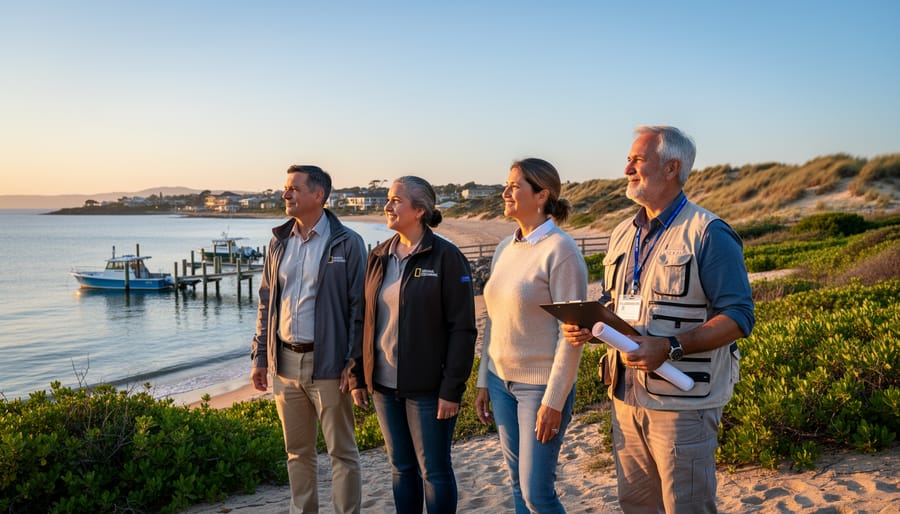
A tourism strategy is a comprehensive, collaboratively developed roadmap that directs how a destination will grow its visitor economy while protecting natural resources, enriching local communities, and preserving cultural heritage. For destinations serious about sustainable growth, it means bringing together government agencies, business owners, residents, and environmental experts to define shared goals, establish measurable targets, and create accountability frameworks that ensure tourism strengthens rather than strains the places people call home.
Unlike reactive management that responds to problems as they emerge, an effective tourism strategy anticipates challenges and opportunities years in advance. It addresses fundamental questions: How many visitors can our infrastructure support? Which markets align with our values? How will tourism revenue flow to local families? What ecosystems need protection from visitor pressure? These aren’t abstract concerns. Communities from New Zealand’s Queenstown to Portugal’s Algarve have demonstrated that well-designed strategies can double tourism revenue while reducing environmental impact, often within five to seven years of implementation.
The process demands time and genuine collaboration. Destinations typically spend 12 to 18 months developing their initial strategy, engaging hundreds of stakeholders through workshops, surveys, and public forums. Success requires moving beyond promotional ambitions to tackle harder questions about carrying capacity, equitable benefit distribution, and long-term resilience.
What makes a tourism strategy truly powerful is its ability to transform competing interests into shared purpose. When fishermen, hotel operators, and conservation groups contribute to the same vision, destinations create tourism that lasts, sustains livelihoods, and protects the assets that attracted visitors in the first place.
What a Tourism Strategy Is and Why It Matters
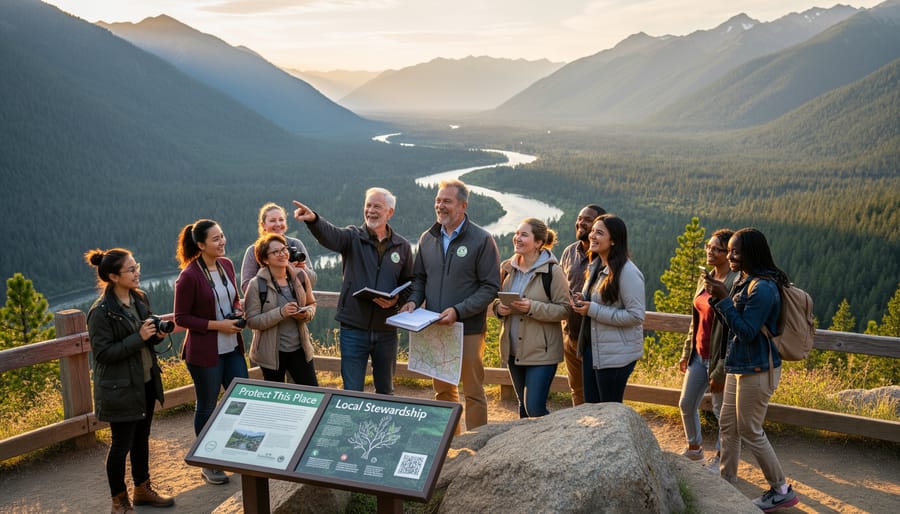
A tourism strategy is a comprehensive roadmap that establishes where a destination wants to go with tourism and how it will get there. Unlike reactive, ad-hoc marketing campaigns that chase visitor numbers, a proper strategy defines a clear vision, sets measurable objectives, assigns roles to stakeholders, and creates action plans with timelines and accountability. Think of it as the difference between posting promotional content whenever you feel like it and building a coordinated system that guides decision-making for years.
The core components work together like gears in a machine. Your vision articulates what kind of destination you want to become: perhaps a hub for cultural immersion rather than mass beach tourism, or a leader in wildlife conservation experiences. Objectives translate that vision into specific, measurable targets, such as increasing local employment in tourism by 30% within three years or reducing single-use plastics at visitor sites by half. Stakeholder roles clarify who does what: which government department oversees permitting, which local businesses provide services, which community groups protect cultural sites. Action plans detail the concrete steps to reach your objectives, from infrastructure improvements to training programs.
What sets strategic planning apart from simple promotion is its integrative approach to sustainability. Instead of maximizing arrivals at all costs, a strategy aligns tourism growth with environmental limits and community capacity. It addresses questions promotional campaigns ignore: How many visitors can our water supply support? Are tourism jobs paying living wages? Is our cultural heritage being commodified or celebrated? Strategic planning creates frameworks for economic benefits, jobs, infrastructure investment, tax revenue, while simultaneously establishing conservation targets and cultural safeguards.
This matters because tourism without strategy leads to predictable problems: overcrowding that destroys the attractions visitors came to see, economic leakage where profits leave the community, erosion of local culture under commercial pressure, and environmental degradation that undermines long-term viability. A well-crafted strategy prevents these outcomes by making trade-offs explicit, setting boundaries proactively, and ensuring diverse voices shape decisions. It transforms tourism from an extractive activity into a tool for community development and conservation funding, creating resilient destinations where both residents and travelers thrive.
Who Should Lead and Participate: Eligibility and Stakeholder Roles
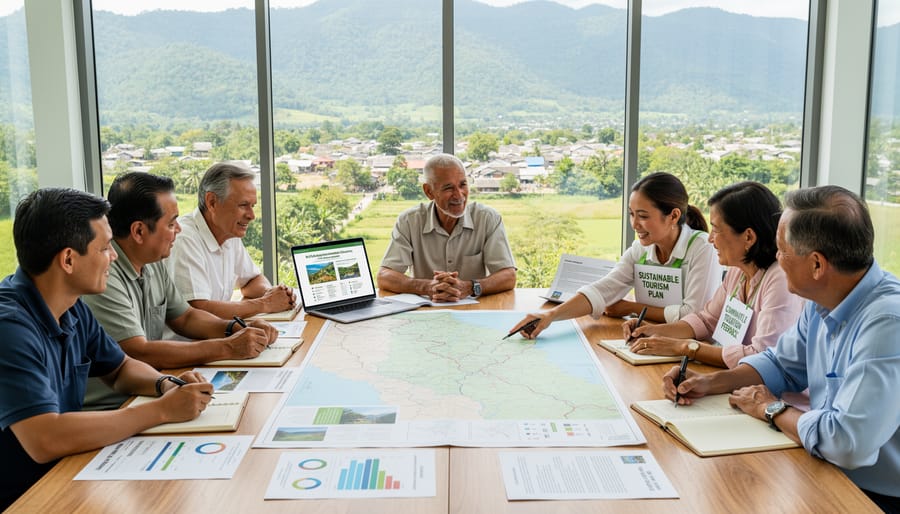
A successful tourism strategy requires a coalition of voices, not a single authority dictating terms. Developing and implementing a sustainable plan demands a collaborative model where different stakeholder groups bring their unique expertise, perspectives, and legitimacy to the table. Understanding who should lead, who must participate, and what qualifies each group to contribute is foundational to creating a strategy that actually works on the ground.
Government Tourism Boards and Planning Agencies
Public sector entities typically anchor the strategic planning process because they hold regulatory authority, manage public resources, and bear responsibility for coordinating across jurisdictions. National or regional tourism boards, municipal planning departments, and ministries of tourism or culture are often best positioned to convene stakeholders, commission research, and provide the administrative backbone for strategy development. Their eligibility to lead stems from formal mandates, access to policy levers, and accountability to the public interest.
However, government leadership alone isn’t sufficient. Agencies must demonstrate genuine commitment to participatory processes, not just token consultation. This means allocating adequate time and resources for meaningful engagement, establishing transparent decision-making mechanisms, and showing willingness to incorporate community input even when it challenges growth assumptions.
The Collaborative Framework
Effective tourism strategies bring together diverse actors, each with distinct responsibilities:
- Destination Management Organizations (DMOs): Coordinate marketing, manage visitor flows, and bridge public and private sectors with on-the-ground operational knowledge
- Local community representatives: Voice resident priorities, identify cultural sensitivities, and ensure benefits reach those most affected by tourism
- Private sector businesses: Contribute market intelligence, invest in sustainable infrastructure, and commit to operational standards that align with strategy goals
- Environmental NGOs and conservation groups: Provide technical expertise on ecological limits, monitor environmental impacts, and advocate for protection of natural assets
- Cultural institutions and indigenous leaders: Safeguard heritage authenticity, guide appropriate visitor access to sacred or sensitive sites, and shape narrative around cultural exchange
- Academic and research institutions: Supply data analysis, assess carrying capacity, and evaluate strategy effectiveness through independent monitoring
Eligibility Criteria for Strategic Leadership
Organizations seeking to lead strategy development should meet several threshold requirements. Organizational capacity matters, does the entity have dedicated staff, budget continuity, and technical skills to manage multi-year planning processes? Local legitimacy is equally critical: can the organization demonstrate trust among diverse stakeholders and accountability to affected communities, not just tourism investors?
Most importantly, prospective leaders must show authentic commitment to sustainability principles. This means accepting that growth may need limits, prioritizing long-term resilience over short-term revenue, and recognizing that protecting environmental and cultural assets is non-negotiable, not an afterthought to economic planning.
The collaborative model works when power is genuinely shared, not concentrated in a single entity. Each stakeholder group brings essential knowledge, and no voice should be subordinated to another. Successful strategies emerge from this tension and negotiation, producing plans that balance competing interests while keeping sustainability at the center.
How to Develop and Implement a Sustainable Tourism Strategy
Conducting a Baseline Assessment
A baseline assessment creates the factual foundation for your tourism strategy by documenting current conditions before you intervene. Start by collecting visitor data: arrival numbers, seasonality patterns, length of stay, spending habits, and demographic profiles. Tourism boards and accommodation providers typically hold this information, though you may need to fill gaps with surveys at key entry points.
Next, evaluate physical infrastructure, accommodation capacity, transportation networks, waste management systems, water supply, and public facilities. Walk through your destination as a visitor would. Note bottlenecks, overcrowded sites, and areas where infrastructure limits already exist.
Environmental assessment requires measuring ecosystem health in tourism zones: water quality, wildlife populations, vegetation cover, and pollution levels. Photograph sensitive sites to track changes over time. Document any protected areas, seasonal breeding grounds, or fragile habitats where visitor pressure creates risk.
Community capacity matters as much as natural assets. Interview local businesses about their readiness to supply tourism services. Assess workforce skills, language capabilities, and entrepreneurial interest. Map cultural assets, festivals, crafts, historical sites, traditional practices, that could become visitor experiences if communities choose to share them.
Compile everything into a single reference document with baseline metrics, clear data sources, and identified gaps. This becomes your measuring stick for progress.
Setting Goals and Defining Success Metrics
Effective goals transform abstract sustainability commitments into specific, trackable achievements. Start by defining what success looks like across all three dimensions of sustainable tourism: economic viability, environmental health, and community wellbeing.
For economic targets, set concrete metrics like “increase local business revenue by 25% within three years” or “achieve 40% local employment in tourism by 2028.” These numbers ground aspirations in reality and create accountability.
Environmental objectives require measurable limits. Examples include “maintain visitor numbers below carrying capacity of 5,000 daily” or “cut emissions by 30% per visitor night by 2029.” Establish environmental thresholds for water use, waste generation, and biodiversity protection that trigger management responses when crossed.
Community wellbeing indicators matter equally. Track resident satisfaction through annual surveys, monitor housing affordability, and measure access to public spaces. A goal might be “maintain 70% or higher resident approval of tourism development” or “ensure no net loss of community gathering spaces.”
Use SMART criteria: goals should be specific, measurable, achievable, relevant, and time-bound. Build in interim checkpoints every six months to assess progress and adjust tactics without abandoning core objectives.
Creating the Action Plan and Timeline
Breaking down strategy goals into actionable projects requires specificity. Each initiative should name who leads it, what resources it needs, and when it happens. Assign clear ownership, for instance, the tourism board coordinates marketing, the environmental department oversees waste reduction, and hotel associations implement energy management systems and water treatment systems. Timeline phases prevent overwhelm: prioritize quick wins for momentum (signage, business training) while scheduling infrastructure upgrades (trails, wastewater facilities) across multiple years.
Funding requires diversification. Combine government grants, tourism taxes, private investment, and international development funding. Create a budget matrix showing cost estimates per initiative and revenue sources. Phasing spending across years keeps the strategy financially realistic.
Build flexibility through quarterly checkpoints. Review progress, adjust timelines when delays happen, and reallocate resources as conditions shift. The action plan should feel like a living document that guides daily decisions, not a rigid script destined for a shelf.
Monitoring, Adapting, and Reporting Progress
A strategy only works if you track what’s happening and respond honestly. Set up quarterly reviews where you compare actual visitor numbers, revenue distribution, resource consumption, and community satisfaction against your targets. Use simple tools, spreadsheets, resident surveys, business check-ins, to capture what’s changing. When data shows you’re missing a goal or creating unintended problems, adjust quickly rather than defending the original plan.
Transparency builds trust. Share progress reports publicly, what’s working, what isn’t, and what you’re changing as a result. Hold annual stakeholder meetings where community members, businesses, and officials discuss findings together and shape next steps. Link performance to measurable sustainability outcomes like waste reduction percentages, local employment rates, or protected habitat acreage, concrete numbers everyone can understand. Publish updates on your destination website and invite ongoing input. This feedback loop turns your strategy from a static document into a living process that improves with experience and earns stakeholder confidence through visible accountability.
Rights, Responsibilities, and Community Protections

Local communities hold fundamental rights in tourism strategy development that go beyond token consultation. These rights include the authority to participate meaningfully in decision-making processes, access transparent information about proposed tourism initiatives, provide informed consent before development proceeds, and receive equitable shares of tourism revenues. Communities can set clear boundaries on visitor numbers, restrict access to sacred or fragile sites, and define acceptable forms of tourism activity within their territories. Indigenous communities hold additional rights under international frameworks like the UN Declaration on the Rights of Indigenous Peoples, including control over cultural heritage and traditional knowledge used in tourism marketing.
Tourism operators and developers carry corresponding responsibilities to uphold these rights. Businesses must conduct thorough social and environmental impact assessments before launching operations, obtain proper permissions from local authorities and community representatives, and establish fair employment practices that prioritize local hiring. They’re obligated to respect cultural protocols, protect local water sources and natural resources through responsible operations, and contribute financially to community infrastructure and services. Transparency in revenue reporting and benefit distribution mechanisms isn’t optional, it’s foundational to maintaining trust and legitimacy.
Governments fulfill critical oversight roles by enforcing environmental regulations, monitoring compliance with labor standards, mediating conflicts between stakeholders, and ensuring tourism development aligns with broader community development goals. They must provide accessible channels for community input and establish clear pathways for raising concerns or lodging complaints when operators or developers violate agreements.
Accountability mechanisms vary but often include multi-stakeholder advisory boards, regular community forums, independent audits of tourism impacts, and formal grievance procedures with defined response timelines. Some destinations have established community benefit agreements that legally bind operators to specific commitments, with penalties for non-compliance. When disputes arise, resolution processes should begin locally, escalating to regional or national authorities only when necessary, always centering community voices throughout.
Real-World Success Stories: Strategies That Transformed Destinations
The clearest proof that tourism strategies work comes from destinations that have transformed challenge into opportunity through intentional, collaborative planning. These examples demonstrate how well-designed strategies deliver measurable benefits while protecting what makes places special.
Palau revolutionized its tourism approach in 2017 by creating a comprehensive strategy centered on environmental protection and community values. Facing pressure from rapid visitor growth that threatened its pristine marine ecosystems, the government partnered with local communities, dive operators, and conservation organizations to develop a high-value, low-impact model. Every visitor now signs the Palau Pledge, a legally binding commitment to environmental responsibility stamped into their passport. The strategy limited cruise ship arrivals, established marine sanctuaries covering 80% of territorial waters, and introduced sustainable tourism certification for businesses. Within five years, tourism revenue increased 20% while visitor numbers stabilized, reef health indicators improved, and local employment in tourism rose 35%. The strategy worked because it gave communities control over development pace and ensured tourism dollars directly supported conservation.
Slovenia’s transformation from overlooked to world-leading sustainable destination came through systematic national strategy development. In 2016, the government launched a coordinated effort with tourism businesses, municipalities, and NGOs to position the entire country as a green destination. The strategy created a unified certification scheme for accommodations, restaurants, and tour operators based on sustainability criteria. It invested in cycling infrastructure, public transit connections, and visitor dispersal to rural areas. The results proved remarkable: by 2024, Slovenia earned the first global Sustainable Destination award, sustainable-certified businesses grew from 30 to over 500, and average visitor spending increased 40% while environmental impact metrics improved. Local food producers gained direct market access through tourism networks, and rural communities saw population stabilization after decades of decline.
| Destination | Strategy Focus | Key Partners | Measurable Outcomes |
|---|---|---|---|
| Palau | Marine conservation, visitor limits, high-value tourism | Government, dive operators, local communities, conservation NGOs | +20% revenue, 80% marine protection, +35% local employment, improved reef health |
| Slovenia | National green certification, infrastructure, rural dispersal | National tourism board, municipalities, businesses, environmental groups | 500+ certified businesses, +40% visitor spending, first global sustainable destination award |
| Azores | Carrying capacity limits, nature-based tourism, community benefits | Regional government, whale-watching operators, farmers, university researchers | 70% reduction in habitat disturbance, +50% agriculture-tourism linkages, stable resident satisfaction |
The Azores implemented a research-driven strategy in 2019 after recognizing that unmanaged whale-watching threatened both cetacean populations and the region’s primary tourism asset. The regional government collaborated with marine biologists, tour operators, and coastal communities to establish science-based limits on boat numbers, minimum distances, and seasonal restrictions. Simultaneously, the strategy developed agritourism initiatives connecting farmers with visitors, creating alternative income while reducing food imports. Monitoring data showed a 70% reduction in observed whale disturbance behaviors, and agricultural producers reported tourism sales representing half their income within three years. Resident surveys tracked consistently high support for tourism because benefits flowed directly to traditional livelihoods.
These destinations shared common elements: they started with honest assessments of challenges, brought diverse stakeholders into decision-making, set clear targets with accountability mechanisms, and stayed committed through implementation. Their success demonstrates that strategic planning creates tourism that genuinely works for everyone involved.
Where to Get Help and Expert Resources
Developing a tourism strategy doesn’t require starting from scratch. A robust network of international organizations, regional bodies, and specialized consultancies exists to guide destinations through every stage of strategic planning, from initial assessment to long-term monitoring.
The Global Sustainable Tourism Council (GSTC) provides globally recognized standards and certification programs that help destinations align their strategies with international best practices. Their online resources include criteria checklists, case studies, and connections to accredited training providers. For United Nations-backed support, the UN World Tourism Organization (UNWTO) offers technical assistance programs, publishes comprehensive planning guides, and facilitates peer-to-peer learning through regional workshops. The UNWTO’s Sustainable Tourism Programme specifically helps developing destinations access expertise they might not have locally.
Regional development banks and tourism boards provide both funding and technical support tailored to local contexts. The European Travel CommissionPacific Asia Travel Associationand Caribbean Tourism Organization maintain resource libraries, conduct research, and connect destinations with consultants experienced in their specific geographic challenges. Many offer capacity-building programs that train local teams to lead strategy development internally rather than relying entirely on outside experts.
Key resources organized by type:
- Global Organizations: GSTC for standards and certification; UNWTO for technical assistance and research; The International Ecotourism Society for nature-based tourism guidance
- Regional Networks: European Travel Commission, Pacific Asia Travel Association, Caribbean Tourism Organization, African Tourism Board for localized support
- Funding Sources: Global Environment Facility, regional development banks, national tourism boards offering grants for strategy development
- Technical Assistance: Solimar International, Destination Think, The Tourism CoLab for planning facilitation and implementation support
- Training Programs: GWU International Institute of Tourism Studies, George Washington University’s Sustainable Destination Management certification
- Online Tools: Tourism Dashboard platforms for data collection, GSTC Destination Criteria for self-assessment
For destinations just beginning their journey, many organizations offer free initial consultations or diagnostic tools to assess readiness and identify priority needs. The GSTC’s online platform includes a destination self-assessment that helps communities understand their current position and what support would be most valuable. Community-based organizations can access simplified planning templates through networks like the Global Sustainable Tourism Councils’ Destination Stewardship Center, which recognizes that not every destination needs, or can afford, comprehensive consulting services immediately.
University programs increasingly partner with destinations to provide strategy development as part of graduate coursework, offering high-quality analysis at reduced cost while giving students real-world experience. These academic partnerships work particularly well for smaller destinations with limited budgets but strong commitment to participatory planning processes.
How to Apply or Complete the Process
Unlike permits or certifications, developing a tourism strategy isn’t an application you submit to a central authority. There’s no universal form to complete or regulatory body to approve your plan. The “process” is the strategic planning work itself, which you initiate and own.
Start by securing organizational mandate. If you’re a government tourism office, this means budget approval and political buy-in. For a destination management organization, it requires board authorization and stakeholder commitment. Community-led initiatives need formal backing from local councils or representative groups.
Next, establish your planning team and governance structure. Document who holds decision-making power, how community input will be incorporated, and what approval checkpoints exist before implementation.
Formalize stakeholder participation through written agreements that outline roles, responsibilities, and how contributions will be valued. This creates accountability without bureaucratic overhead.
Set concrete milestones with deliverables: baseline assessment complete by a specific date, draft strategy circulated for review, final plan adopted. Build in regular progress reports to funders, partners, and the public.
The completion point isn’t approval from an outside body, it’s when you’ve built consensus around a documented plan, secured resources for implementation, and activated the monitoring systems that turn strategy into action.
Common Questions About Tourism Strategy Development
Tourism strategy development raises practical questions for everyone involved in the process. These answers address common concerns from the field, reflecting the real challenges destinations face when balancing ambition with capacity, growth with limits, and diverse stakeholder interests.
How long does it take to develop and implement a tourism strategy?
A comprehensive strategy typically requires 12-18 months to develop through stakeholder engagement and planning, with implementation unfolding over 3-5 years. Quick wins can often be achieved within the first year while longer-term infrastructure and policy changes take shape.
What does a tourism strategy cost to develop?
Costs vary dramatically based on destination size and complexity, ranging from $20,000 for small community-led efforts to over $500,000 for national strategies requiring extensive research and consultation. Many destinations blend internal resources with grant funding and technical assistance from international organizations to reduce direct costs.
How do you manage conflicts between stakeholders with competing interests?
Effective facilitation prioritizes transparent dialogue, shared data, and agreements on non-negotiable sustainability thresholds before negotiations begin. Establishing clear decision-making protocols and ensuring all voices are heard, especially from communities who bear the greatest impacts, helps navigate tensions between economic growth and preservation goals.
How do you measure intangible benefits like cultural preservation or community pride?
Combine qualitative methods such as community surveys, focus groups, and participatory assessment workshops with proxy indicators like local language use in tourism settings, participation rates in cultural events, and resident sentiment tracking over time. These approaches capture dimensions that economic metrics alone miss.
Another recurring question centers on adapting strategies when conditions shift. Tourism is dynamic, visitor preferences change, climate impacts intensify, and economic realities evolve. The most resilient strategies build in regular review cycles, typically annual check-ins with more substantial evaluations every three years. This isn’t about abandoning the plan at the first obstacle. It’s about staying responsive while maintaining core sustainability commitments. When pandemic travel restrictions reshaped tourism overnight, destinations with adaptive frameworks could pivot to domestic markets and nature-based experiences without compromising environmental protections or community priorities.
The balance between welcoming growth and setting limits troubles many officials. There’s no universal formula. Your strategy should define what success looks like for your specific context, whether that means capping visitor numbers at sensitive sites, spreading arrivals across seasons, or focusing on higher-value, lower-impact segments. The key is establishing these parameters through inclusive deliberation before growth pressures make objective decision-making harder. Communities that set clear boundaries early avoid reactive, contentious debates later.
A sustainable tourism strategy isn’t a document you file away after completion, it’s a living framework that evolves with your destination, your community, and the changing needs of travelers. The destinations transforming tourism today share a common thread: they view strategic planning not as a constraint but as a tool for creating experiences that enrich visitors while strengthening the places and cultures that welcome them.
Whether you’re a tourism director facing overcrowding, a business owner seeking to operate more responsibly, or a community member wanting your voice heard in development decisions, you have a role in shaping how tourism unfolds. The process starts with a single step: convening the conversation, gathering the data, or reaching out to the resources that can support your vision.
Strategic planning works because it moves destinations beyond reactive management toward intentional design. It replaces guesswork with evidence, competition with collaboration, and short-term gains with long-term resilience. The communities prospering from tourism aren’t the ones that simply welcomed more visitors, they’re the ones that asked better questions about who should benefit, what should be protected, and how success should be measured.
The tools, expertise, and proven models exist. What matters now is commitment, to the process, to genuine partnership, and to the principle that tourism should leave destinations stronger than it found them. Your strategy begins when you decide that sustainable tourism isn’t optional, it’s essential.